Shared commercial kitchens face unique compliance challenges. Multiple tenants, rotating schedules, and shared equipment create documentation requirements that single-operator kitchens do not encounter. This guide covers the key areas inspectors focus on and how good documentation practices address them.
This guide is informational in nature. Specific regulatory requirements vary by state, county, and municipality. Always consult your local health department for the requirements applicable to your facility.
In a single-operator kitchen, the owner is responsible for everything. In a shared kitchen, responsibility is distributed across multiple tenants who may have very different levels of food safety training and operational discipline. This creates a documentation challenge that inspectors are well aware of.
Health inspectors visiting a shared kitchen will want to understand how the facility tracks who used which station, whether cleaning occurred between sessions, and whether all tenants hold current food handler certifications. These are questions that require systematic record-keeping, not just good intentions.
The advantage of digital management software is that documentation becomes a natural output of normal operations. A tenant completing their booking and cleaning checklist is simultaneously creating the record that answers the inspector's questions.
Cleaning documentation is typically the first thing a health inspector examines in a shared kitchen. They want to see evidence that surfaces, equipment, and cooking areas were properly cleaned between each use. A verbal assurance is not sufficient.
Effective cleaning records include the date and time of cleaning, the specific items cleaned, the products used, and the name of the person responsible. In a shared kitchen context, this means each session should generate its own cleaning record tied to the tenant who completed it.
Photo documentation adds another layer of credibility. When a tenant photographs the clean station before leaving, that image becomes part of the permanent record. Inspectors respond well to this level of detail because it demonstrates that cleaning is a structured process rather than an informal habit.
Cold storage compliance involves two distinct requirements. First, the equipment must maintain appropriate temperatures for the type of food stored. Second, those temperatures must be documented at regular intervals. Many facilities log temperatures manually twice a day, but automated monitoring systems are increasingly common.
In a shared kitchen, cold storage documentation needs to connect to the tenant using each storage zone. If a temperature excursion occurs, the record should show which tenant's product was potentially affected and when the issue was identified and corrected.
Assignment records that show which tenant occupied which storage zone during which period are essential for this kind of traceability. They also protect the facility operator by clearly establishing which tenant bears responsibility for any food safety issue that arises in a specific storage area.
Most jurisdictions require that at least one person with a current food handler or food manager certification be present during food preparation. In a shared kitchen, this means every tenant who operates in the facility should hold a valid certification, and the facility should have a record of those certifications on file.
Certifications expire. A tenant who was certified when they joined your facility may be operating with an expired credential two years later. Without a systematic tracking mechanism, this is easy to miss until an inspector asks to see the documentation.
Tracking certification expiry dates and sending automated reminders before they lapse is a straightforward way to maintain continuous compliance. It also signals to tenants that the facility takes food safety seriously, which tends to raise the overall standard of practice within the kitchen.
Commercial kitchen equipment requires regular maintenance and periodic professional servicing. Health inspectors will look for evidence that equipment is maintained in good working order. This typically means service records showing when each piece of equipment was inspected, what work was performed, and by whom.
In a shared kitchen, equipment maintenance records serve a dual purpose. They demonstrate compliance to inspectors and they protect the facility from liability when a tenant claims equipment malfunction caused a food safety issue.
Keeping maintenance records organized and accessible is often harder than performing the maintenance itself. A centralized log that captures service dates, service providers, and work descriptions makes this information available instantly when needed.
Health inspections in most jurisdictions are unannounced. The facility needs to be inspection-ready at all times, not just in the days following a scheduled review. This means documentation cannot be a periodic activity. It needs to be continuous and current.
When an inspector arrives, the ability to quickly produce cleaning logs, temperature records, tenant certifications, and equipment maintenance history significantly affects how the inspection proceeds. Facilities that can produce organized documentation immediately tend to have smoother inspections than those that need time to locate records.
A practical approach is to designate a single point of access for all compliance documentation. Whether that is a physical binder or a digital dashboard, the goal is the same: any required document should be retrievable in under two minutes. That standard, consistently maintained, is what inspection readiness actually means in practice.
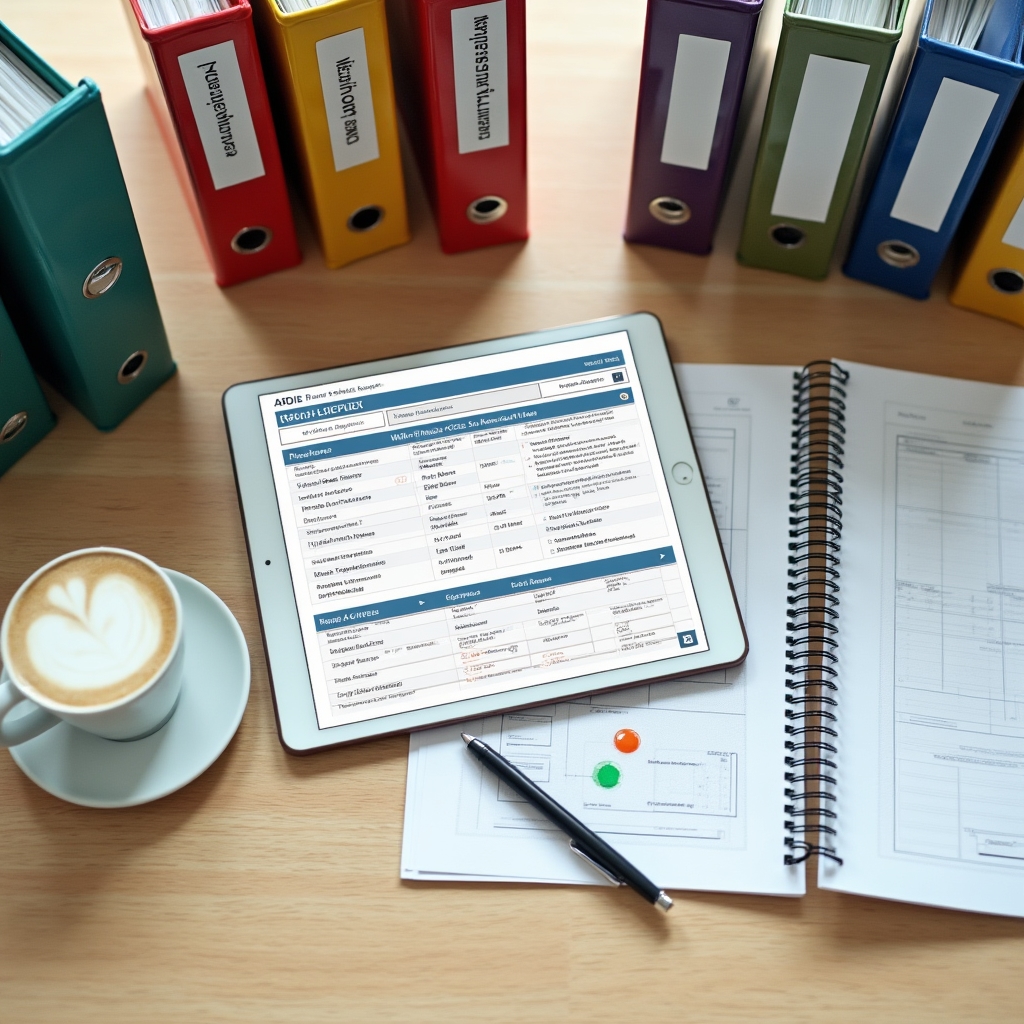
The inspection readiness dashboard in Zigobe Habeho was designed specifically around the documentation requirements described in this guide. Cleaning records from session checklists, cold storage assignment logs, tenant certification tracking, and equipment maintenance notes all feed into a single compliance view.
When an inspector arrives, the manager opens the dashboard and can see immediately which areas are fully documented and which need attention. A full compliance report can be exported for the inspector to review.
See It In ActionGet in touch to discuss how the platform can support your specific documentation needs and inspection readiness goals.
We use cookies to improve your experience. Learn more
Required for the website to function. Cannot be disabled.
Help us understand how visitors interact with the website.
Used to deliver relevant content and measure campaign effectiveness.